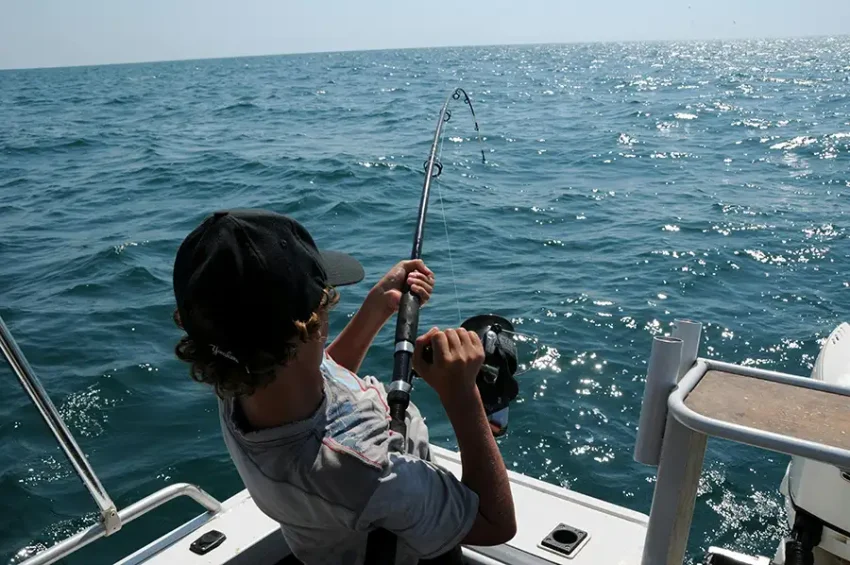
Booking a fishing charter in the Bay of Islands puts you in the hands of experienced skippers who know these waters intimately. They understand where fish congregate, how conditions affect feeding patterns, and which techniques work best on any given day. Whether you’ve fished your entire life or you’ve never held a rod, a charter takes care of everything: gear, bait, local knowledge, and safety so you can focus on the experience.
The Bay of Islands is one of New Zealand’s premier fishing destinations, holding numerous national and world records for species like snapper, kingfish, and marlin. Charter operators here work some of the most productive fishing grounds in the country, with 144 islands creating sheltered bays, channels, and reefs where fish thrive year-round.
This guide covers everything you need to know about choosing and booking a fishing charter in the Bay of Islands. For detailed information about fish species, best fishing spots, and seasonal patterns, visit our comprehensive fishing guide.
Types of Charters
Half-Day Charters
Half-day charters typically run for four to five hours, offering morning or afternoon departures. These shorter trips suit families with young children, first-time fishers, or visitors with limited time. You’ll target species like snapper, kahawai, and trevally in relatively close fishing grounds, maximizing time with lines in the water while keeping the trip manageable for those with shorter attention spans or concerns about seasickness.
Morning charters usually depart between 6:30am and 7:30am, returning around midday. Afternoon trips typically leave around 1:00pm and return by 5:00pm or 6:00pm. The fishing can be excellent during either window, though many experienced anglers prefer mornings when fish are often more active.
Half-day charters work well if you’re combining fishing with other Bay of Islands activities or if you’re testing the waters before committing to a full day. They’re also more budget-friendly, making them accessible for families or those watching costs.
Full-Day Charters
Full-day charters run for eight to ten hours, providing a comprehensive fishing experience. These longer trips allow skippers to reach more distant fishing grounds, target multiple species, and adjust tactics based on what’s working. You’ll have time to fish different spots, techniques, and depths, dramatically increasing your chances of a successful day.
Most full-day charters depart between 6:30am and 7:30am, returning between 3:00pm and 5:00pm. The extended time on the water includes a lunch break, usually taken in a sheltered bay where you can relax, eat, and sometimes swim or explore. Many skippers will prepare fresh sashimi from the morning’s catch during this break.
Full-day trips provide better value for serious anglers. You’re paying for the vessel and skipper regardless of duration, so the per-hour cost of a full day is typically lower than two half-days. More importantly, the extra time significantly improves your chances of finding and catching fish, especially if conditions require moving between locations or if certain species prove elusive.
Shared vs Private Charters
Shared Charters allow individual bookings, with multiple parties fishing together on the same vessel. You’ll share the boat with other anglers, typically 4-8 people total depending on vessel size. This option is more affordable for solo travellers, couples, or small groups, as you’re only paying for your positions rather than the entire boat.
Shared charters follow a set schedule and target species chosen by the skipper based on conditions and general preferences. You’ll meet other fishing enthusiasts, which many people enjoy as part of the experience. The social aspect can be particularly appealing, with stories shared and friendly competition over who lands the biggest fish.
The main limitation is less flexibility. You can’t control departure times, target species, or how long you stay at each spot. If you’re with a group that fishes at different paces or if you have specific targets in mind, shared charters may feel restrictive.
Private Charters book the entire vessel exclusively for your group. This option costs more overall but provides complete flexibility on timing, target species, and fishing approach. You control the pace, deciding when to move spots or when to stay working a productive area.
Private charters excel for families with children, groups of friends, or anyone wanting a personalised experience. The skipper can adapt completely to your group’s preferences, whether that means focusing on one species, teaching beginners, or maximising catch for experienced anglers. You’re also free to bring your own food and drinks without concerning yourself with other passengers.
For groups of four or more, private charters often represent good value when the total cost is split. The per-person price becomes competitive with shared charters while offering significantly more control over the experience.
Specialised Charters
Some operators specialise in particular types of fishing or cater to specific groups.
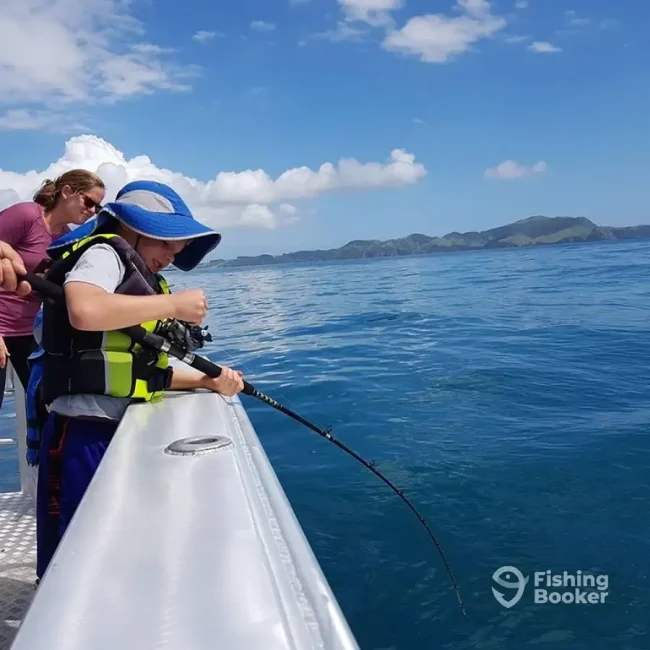
Kingfish Specialists focus on targeting New Zealand’s powerful yellowtail kingfish. These charters use specialised techniques like mechanical jigging, live baiting, and saltwater fly fishing. Skippers who specialise in kingfish know the best reefs, rocks, and structures where these fish hunt, and they understand the techniques that trigger strikes from these aggressive predators.
Family-Friendly Operators excel at making fishing accessible and fun for children. These skippers are patient, engaging, and skilled at keeping kids interested during slower periods. They often target species that provide consistent action, helping maintain enthusiasm even when trophy fish aren’t cooperating. Family-friendly operators understand that success for children often means lots of bites rather than big fish.
Beginner-Focused Charters welcome first-time anglers with patience and thorough instruction. These operators enjoy teaching and take time to explain techniques, equipment, and what’s happening below the surface. They create a supportive environment where questions are encouraged and mistakes are learning opportunities rather than problems.
Catch and Release Charters emphasise conservation and the sport of fishing rather than keeping catch. These operators often target larger specimens, photograph the fish, and release them to fight another day. This approach appeals to anglers who value the experience and conservation over taking fish home.
For game fishing charters targeting marlin, tuna, and other big game species, see our dedicated game fishing guide.
What to Expect on Your Charter
Before You Leave
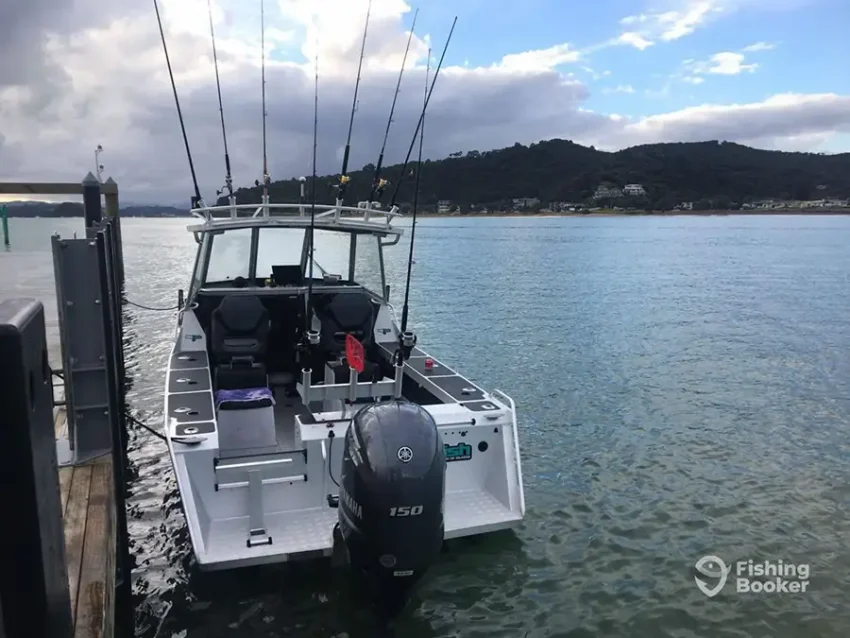
You’ll meet your charter at the designated wharf, typically in Paihia, Russell, or Opua. Arrival times are usually between 6:30am and 7:30am for morning trips, though confirm your specific time when booking. Arriving 10-15 minutes early allows time to park, find the boat, and settle in without rushing.
Your skipper will welcome you aboard, help you stow any gear or personal items, and provide a safety briefing. This briefing covers location of safety equipment, how to move safely around the boat, what to do in emergencies, and basic rules for the day. Even if you’re an experienced boater, listen carefully as every vessel is different.
The skipper will explain the plan for the day: where you’ll fish, what species you’re targeting, and what techniques you’ll use. This is your opportunity to ask questions, express preferences, or mention any concerns about seasickness or physical limitations. Good skippers adapt their approach based on who’s on board and what you hope to achieve.
The Journey Out
Once everyone is aboard and briefed, you’ll head out toward the fishing grounds. This journey takes anywhere from 15 minutes to over an hour depending on where the skipper believes fish are biting and what conditions look like. Many skippers use this travel time productively, rigging rods, preparing bait, and sharing knowledge about the area.
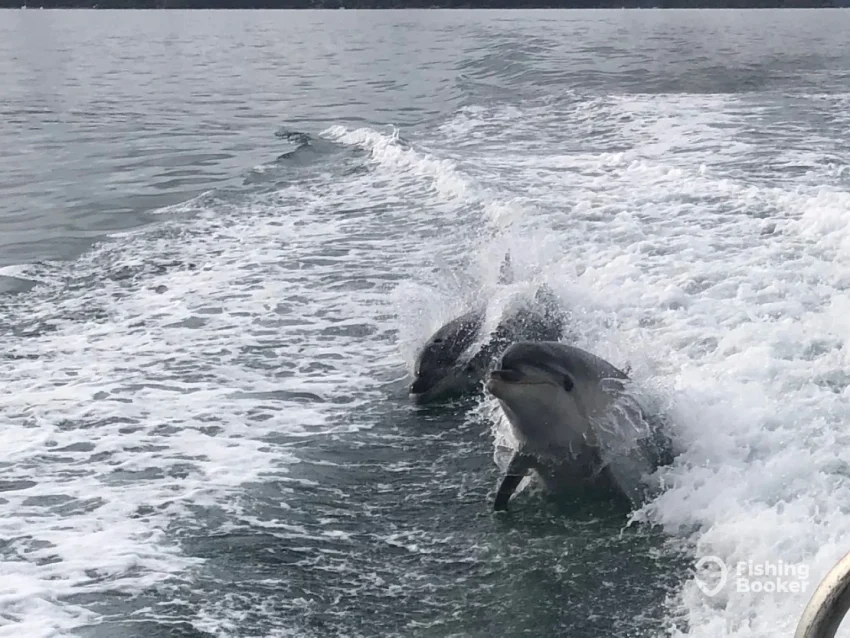
Keep your eyes open during the cruise out. Dolphins frequently approach boats, sometimes bow-riding just metres from the hull. Seals sun themselves on rocky outcrops throughout the Bay. Seabirds like gannets, shearwaters, and terns wheel overhead, and their diving activity often indicates baitfish schools below, which means predators aren’t far away.
If you’re prone to seasickness, stay on deck during this journey. Fresh air and watching the horizon helps significantly. Going below deck or focusing on close objects like your phone typically makes seasickness worse. If you’ve taken preventative medication, this is when it starts working, so don’t panic if you feel slightly queasy early on.
On the Fishing Grounds
Once you reach the chosen spot, your skipper will position the boat and get lines in the water. Depending on the target species and technique, you might be drifting, anchored, or moving slowly. The skipper reads the sounder, watches for signs of fish, and positions the boat to give you the best chance.
If you’re new to fishing, your skipper will show you exactly what to do: how to hold the rod, when to set the hook, how to fight a fish, and how to work with the reel. Follow their instructions carefully, especially during the first few fish. Experienced skippers can see what you’re doing wrong and correct it before it becomes a problem.
When you hook a fish, stay calm and listen to your skipper. They’ll talk you through the fight, telling you when to wind, when to let the fish run, and how to bring it to the boat. Don’t rush. Enjoy the fight and trust that the skipper knows how to help you land it successfully.
You might spend 30 to 60 minutes working one spot before moving if action is slow. Conversely, if fish are biting consistently, you might anchor for extended periods and thoroughly work the area. Your skipper makes these decisions based on what’s happening, their experience, and their knowledge of alternative spots.
Lunch Break on Full-Day Trips
Full-day charters include a lunch break, typically in a sheltered bay away from fishing grounds. This break usually lasts 30-45 minutes and provides a chance to rest, eat, and recharge for the afternoon session.
What’s provided for lunch varies by operator. Some include full meals, others provide light snacks, and some expect you to bring your own food. Clarify this when booking to avoid surprises. Regardless of what’s provided, bringing additional snacks and plenty of water is wise. The sun, salt air, and activity increase thirst and appetite beyond what you might expect.
Many skippers prepare fresh sashimi from the morning’s catch during lunch. Eating fish caught hours or even minutes earlier, prepared by someone who knows what they’re doing, is a highlight of many fishing trips.
Some sheltered bays allow swimming if conditions permit and you’re interested. The water in the Bay of Islands is typically warmer than other parts of New Zealand, especially during summer months. Other lunch spots offer opportunities to explore small beaches or simply relax and enjoy the scenery.
Return to Shore
As the day winds down, you’ll head back to the wharf, typically arriving mid to late afternoon between 3:00pm and 5:00pm. The skipper will likely start packing gear and securing the boat during the final cruise back.
If your charter includes fish cleaning and filleting services, the crew will process your catch while you relax or start packing up. This service is incredibly valuable, especially for visitors unfamiliar with fish preparation or lacking the tools to do it properly. The crew will fillet, bag, and ice your fish, ready for you to take home or to a restaurant for cooking.
Many skippers are happy to take photos of you with your catch before cleaning. If you want photos, speak up before the fish are processed. A classic shot of you holding your prize fish makes a great memory and shows friends and family what you caught.
The Wildlife Bonus
Fishing charters in the Bay of Islands offer much more than what ends up on your line. The journey through 144 islands provides spectacular scenery that changes with the light, tide, and weather. Rugged coastlines, secluded beaches, and dramatic rock formations create a constantly evolving landscape.
Dolphins regularly approach boats throughout the Bay. They’re curious, playful, and often bow-ride just metres from the hull, matching the boat’s speed and leaping alongside. Watching dolphins in the wild never gets old, no matter how many times you’ve seen it.
Seals sun themselves on rocky outcrops and occasionally swim past while you’re fishing. These characters are entertaining to watch as they haul out, scratch themselves, and generally act like lazy dogs enjoying a sunny day.
Seabirds are constant companions. Gannets dive spectacularly when they spot fish, plummeting from height and hitting the water at speed. Shearwaters, petrels, and terns follow boats, watching for scraps or stirred-up baitfish. In summer, you might even spot orca or pilot whales passing through the Bay.
What’s Included
Standard Charter Inclusions
Most fishing charters include everything you need to fish successfully. Rods, reels, and tackle appropriate for target species come standard. You won’t need to bring or understand any equipment unless you want to use your own gear.
Bait and berley are provided. The skipper will have fresh or frozen bait suitable for the species you’re targeting, plus berley to attract fish to your location. Different techniques and species require different baits, and your skipper ensures you have what works.
All required safety equipment is included and maintained by the operator. This includes life jackets for all passengers, first aid kits, fire extinguishers, communication devices, and all legally required safety gear. Quality operators take safety seriously and ensure equipment is up to date and functional.
The skipper’s expertise and local knowledge are arguably the most valuable inclusion. A good skipper knows where fish are likely to be under current conditions, understands how weather and tides affect fishing, and can adapt techniques when one approach isn’t working. This knowledge, accumulated over years or decades fishing these waters, dramatically improves your chances of success.
Variable Inclusions
Some services vary between operators and should be confirmed when booking.
Fish cleaning and filleting services are common but not universal. Some operators include this automatically, others charge extra, and some don’t offer it at all. If you want your catch cleaned and prepared for cooking or freezing, confirm this is available before booking.
Food and drinks vary significantly. Some charters, particularly full-day trips, include lunch and refreshments. Others provide tea and coffee but expect you to bring your own food. Some provide nothing and expect you to bring everything you’ll need for the day. Always clarify what’s provided so you can plan accordingly.
Fish packaging for travel is relevant for visitors who need to transport catch. Some operators provide vacuum sealing or proper packaging with ice, while others simply bag your fillets. If you’re flying home or have a long drive ahead, discuss packaging options when booking.
Ice for keeping catch fresh throughout the day and during transport home is usually provided, but confirm this if you’re concerned. Properly iced fish maintains quality much better than fish sitting in a warm esky.
Photography services are offered by some operators, with photos provided after the trip. This is convenient if you want professional shots without worrying about protecting your camera from water and fish slime.
What You Should Bring
Sun protection is essential on a fishing charter. Even on overcast days, reflection off the water intensifies UV exposure. Bring high-SPF sunscreen and reapply regularly throughout the day. Lips burn easily on the water, so lip balm with SPF is valuable. A wide-brimmed hat protects your face and neck, while polarised sunglasses reduce glare, protect your eyes, and help you see into the water.
Warm layers are important even during summer. Mornings on the water are cool, and wind makes it feel colder than onshore. Bring a warm jacket or fleece, long pants, and perhaps a beanie. You can always remove layers if you get too warm, but being cold ruins the experience. Avoid cotton if possible. Modern synthetic or merino fabrics dry quickly and maintain warmth even when damp.
Appropriate footwear means closed-toe shoes with non-slip soles. Boat decks get wet and can be slippery. Sandals or jandals (flip-flops) are dangerous on a moving boat. Reef shoes or old trainers work well.
Seasickness medication should be taken before leaving the wharf if you’re prone to motion sickness. Once you’re feeling unwell, medication is much less effective. Ginger tablets, wristbands, or prescription medication all work for different people. If you’re uncertain, take something preventatively. Better to take medication you don’t need than spend the day feeling miserable.
Camera or phone in a waterproof case captures memories of your day. You’ll want photos of your catches, the scenery, and the wildlife you encounter. Protect your device from water and consider a floating case if you’re using a phone.
Snacks and drinks supplement whatever the operator provides. Even if lunch is included, extra snacks help maintain energy throughout the day. Bring significantly more water than you think you’ll need. Dehydration happens quickly on the water.
Cooler bag or chilly bin for transporting fish home. If you catch fish and plan to take them back to your accommodation, you’ll need a way to keep them cold during transport.
Choosing the Right Charter Operator
What to Look For
Experience and local knowledge matter enormously in fishing. A skipper who’s worked these waters for years or decades knows where fish congregate under different conditions. They understand seasonal patterns, how tides affect feeding, and which techniques produce results. Ask how long the operator has been running charters and fishing the Bay of Islands. Longevity usually indicates both skill and satisfied customers who return or recommend the service.
Vessel condition tells you about the operator’s professionalism and attention to detail. Well-maintained boats with modern safety equipment, clean decks, and functional gear indicate an operator who takes their business seriously. Poor maintenance might mean cut corners in other areas. You can usually assess vessel condition from photos on websites or social media, but seeing the boat in person before committing is ideal if possible.
Appropriate equipment for target species is essential. Quality rods, reels, and tackle suitable for what you’re fishing for make a significant difference. Operators should have gear that matches their advertised fishing style. If they claim to target kingfish but only have light snapper tackle, that’s concerning.
Reviews and reputation provide insight into actual customer experiences. Read recent reviews on multiple platforms, looking for patterns rather than individual complaints. Every operator has occasional bad days or difficult customers, but consistent negative feedback about the same issues is a red flag. Look for reviews mentioning the skipper’s knowledge, patience with beginners, and willingness to work hard to find fish.
Communication and responsiveness before you book indicates how the operator will treat you during the charter. Operators who respond quickly to inquiries, answer questions thoroughly, and communicate clearly about what’s included are likely to provide better service throughout.
Conservation practices reflect an operator’s commitment to sustainable fishing and the long-term health of the fishery. Operators who follow all regulations, encourage catch and release for breeding fish, and teach proper fish handling techniques help ensure excellent fishing remains available for future generations.
Specialisations should match your interests. If you want to target kingfish specifically, choose an operator who specialises in that species. If you’re bringing children, select an operator known for family-friendly trips rather than someone who primarily works with serious anglers.
Questions to Ask Before Booking

What species will we target? Understanding the plan helps set expectations. While fish don’t follow schedules and plans change based on conditions, knowing the general approach helps you decide if this charter suits your interests.
What’s included? Confirm gear, bait, food, drinks, and fish cleaning services. Understanding exactly what’s provided and what you need to bring avoids surprises and ensures you’re prepared.
How many people will be on the boat? For shared charters, knowing the total number helps you understand how crowded it will be and how much individual attention you’ll receive. For private charters, confirm the maximum capacity and whether your group size is appropriate for the vessel.
What’s your cancellation and weather policy? Understanding what happens if weather forces cancellation or if you need to cancel for personal reasons protects your investment. Most operators offer rescheduling or refunds for weather cancellations but have varying policies for customer cancellations.
Do you accommodate beginners and children? Not all operators are equally patient with inexperienced anglers or comfortable with children on board. If this applies to your group, confirm the operator welcomes beginners and has experience with kids.
Is fish cleaning and filleting included? Don’t assume this service is provided. Confirm whether it’s included, available for additional cost, or not offered at all.
What should we bring? Even after reading general advice, ask the operator specifically. They might have particular recommendations based on current weather patterns, their vessel setup, or planned activities.
Where do we meet and what time? Confirm exact meeting location, time, and where to park. Many wharves have multiple departure points, and showing up at the wrong location causes stress and delays.
Green Flags
Clear communication and detailed answers to your questions indicate professionalism and customer focus. Operators who take time to address your concerns and explain their approach are likely to provide attentive service on the water.
Well-maintained vessels with modern safety gear visible in photos or in person demonstrate commitment to safety and quality. Clean decks, functional equipment, and proper safety gear should be standard.
Positive recent reviews mentioning the skipper’s knowledge, patience, and work ethic give confidence that other customers have enjoyed their experience. Look for reviews from people with similar needs to yours (families, beginners, experienced anglers).
Flexible approach to targeting species based on conditions shows the operator prioritises your success over following a rigid plan. While you want an operator with a plan, you also want someone who adapts when that plan isn’t producing results.
Professional website or booking system makes the process smooth and indicates the operator takes their business seriously. While a fancy website doesn’t guarantee great fishing, professional presentation suggests professional service.
Willingness to accommodate beginners and answer questions indicates patience and teaching ability. Operators who welcome inexperienced anglers and enjoy explaining what’s happening provide better experiences for first-timers.
Red Flags
Guaranteeing specific catches is impossible, and operators who make such promises are either dishonest or inexperienced. No one can guarantee fish. Good operators discuss realistic expectations based on season, recent catches, and conditions, but they never guarantee results.
Poorly maintained vessels or outdated equipment suggest cut corners and possible safety issues. If a boat looks neglected in photos or the equipment appears old and worn, consider other options.
Lack of proper licensing or safety equipment is unacceptable. All commercial fishing charters must hold appropriate maritime licences and carry required safety gear. If you can’t confirm an operator’s licensing or if safety equipment is missing or expired, don’t book.
Pressure tactics or unwillingness to answer questions suggest the operator wants your money more than your satisfaction. Good operators answer questions patiently and never pressure you to book before you’re ready.
No clear cancellation policy leaves you vulnerable if weather or personal circumstances require rescheduling. Reputable operators clearly explain their cancellation terms before taking deposits.
Disregard for fishing regulations or conservation indicates an operator who might encourage illegal practices or unsustainable fishing. Any operator suggesting you keep undersized fish, exceed bag limits, or fish in closed areas should be avoided entirely.
Departure Points
Paihia
Paihia is the Bay of Islands’ main town and the most common departure point for fishing charters. The central location provides easy access whether you’re staying in Paihia itself or nearby areas. You’ll find the largest selection of charter operators here, from budget-friendly shared charters to premium private operations.
Facilities in Paihia are excellent. Multiple car parks service the waterfront, though they fill quickly during peak season. Cafes and shops line the main street, perfect for grabbing breakfast before your charter or coffee when you return. If you need last-minute items like sunscreen or snacks, several stores are within walking distance of the wharf.
Russell
Russell offers a more historic and relaxed atmosphere than Paihia. The charming waterfront village provides a scenic departure point, with quality charter operators working from the historic Russell Wharf. The town’s smaller size means a quieter, less touristy experience.
Accessing Russell requires either the vehicle ferry from Opua (about 15 minutes) or the passenger ferry from Paihia (10 minutes). If you’re staying in Paihia, the passenger ferry makes Russell easily accessible, though you’ll need to time your arrival to meet your charter. Driving to Russell involves a longer route around the bay unless you use the vehicle ferry.
Opua
Opua functions as the Bay of Islands’ working marina, with a mix of commercial vessels, private yachts, and fishing charters. The atmosphere is less touristy than Paihia, with a focus on boating and maritime activities. Charter operators here work from a proper marina with good facilities.
Parking is generally easier in Opua than Paihia, and the marina provides direct access to boats without navigating through crowds. If you’re staying in Kerikeri, Opua is the closest departure point, just 15-20 minutes away.
Most charter operators reach similar fishing grounds regardless of which port they depart from. Choose based on convenience to your accommodation and the specific operator you select rather than assuming one departure point provides better fishing access.
Booking Your Charter
When to Book
Peak season (December to February) brings the most visitors to the Bay of Islands. Summer school holidays, warm weather, and excellent fishing conditions create high demand for charters. Book several weeks to months in advance if you’re visiting during this period, especially if you want specific dates or popular operators. Last-minute bookings during peak season often mean limited availability or settling for your second or third choice.
Shoulder seasons (March to May and September to November) offer excellent fishing with significantly better availability. Autumn particularly stands out, with many considering March through May the best overall fishing period. Water temperatures remain comfortable, fish are abundant, and charter operators have more openings. You can often book with just a week or two of notice, though more is always better.
Winter (June to August) sees the fewest tourists despite the Bay of Islands living up to its “Winterless North” nickname. Charter availability is best during these months, and you can sometimes book just days in advance. While some species are less abundant, winter specialities like hapuku and tarakihi are at their peak. Many operators offer competitive rates during winter months.
For specific information about which species are most abundant during different seasons, see our main fishing guide.
How to Book
Direct bookings with operators often provide the best experience. Speaking directly with the skipper or booking agent lets you ask specific questions, explain your needs, and build rapport before your trip. Many operators prefer direct bookings and may offer better rates or more flexibility than through third parties.
Through your accommodation can work well if your hosts have established relationships with quality operators. Accommodation providers often know which skippers match different guest needs and can make personal recommendations. However, confirm that recommendations are based on quality rather than commission arrangements.
Online booking platforms offer convenience and sometimes package deals combining fishing with accommodation or other activities. The convenience of comparing multiple operators and booking online appeals to many visitors. However, ensure you can still ask questions and clarify details before committing.
Regardless of booking method, get confirmation in writing. This should include date, time, meeting location, what’s included, total cost, and cancellation policy. Written confirmation protects both you and the operator by ensuring everyone understands the agreement.
Deposits and Payment
Most operators require a deposit to secure your booking, typically 20-50% of the total cost. This deposit protects the operator from no-shows and compensates them if they have to turn away other bookings for your reserved date. Understand payment terms before providing credit card details or transferring money.
Keep all receipts and confirmations in a safe place. You’ll need them if any disputes arise or if you need to claim on travel insurance for cancellations.
Travel insurance is recommended for overseas visitors. Policies that cover activity cancellations due to weather or personal emergencies provide peace of mind. Check whether your policy covers fishing charters specifically, as some exclude certain activities.
Weather and Cancellations
Why cancellations happen is simple: safety. The ocean can be unpredictable, and conditions that seem fine onshore might be dangerous once you’re out on the water. Skippers have years of experience reading weather patterns, understanding how swells develop, and knowing when conditions exceed safe limits for their vessel and passengers. If your skipper cancels due to weather, they’re making the right call.
What happens after cancellation varies by operator but typically involves either rescheduling for another day or a full refund. Most operators try to reschedule first, as they want you to experience fishing and they’ve already committed the day to your booking. If rescheduling isn’t possible due to your travel dates, reputable operators refund your deposit or payment.
Your flexibility significantly impacts your chances of successful fishing. Building buffer days into your itinerary means weather cancellations don’t ruin your trip. If you’re visiting specifically for fishing, consider a 3-4 day stay with planned fishing on days 2-3. This gives you options if weather cancels your first choice. Visitors with just one day in the Bay have no backup if weather doesn’t cooperate.
Checking forecasts before your trip provides a general sense of expected conditions, but trust your skipper’s decision about whether to go out. Marine weather forecasts focus on wind, swell height, and visibility. Your skipper understands how these factors affect specific fishing grounds and their vessel’s capabilities. Even if the forecast looks marginal, experienced skippers often know protected areas where fishing remains viable.
Most cancellation decisions are made the morning of your trip or the evening before. Conditions can change quickly, and skippers want to provide every opportunity for the trip to proceed. This means you might not receive final confirmation until shortly before departure time.
Booking Multiple Days
Some operators offer package deals for booking multiple days, providing better overall rates than booking single days separately. Even without formal packages, operators often negotiate better rates for repeat bookings.
Multiple days dramatically increase your chances of fishing success. Weather, tides, and fish behaviour vary daily. One day might be slow while the next produces incredible fishing. Serious anglers typically book at least 2-3 days to maximise their chances.
Multiple days also allow you to target different species or try different techniques. You might fish for snapper and kingfish one day, then target hapuku in deeper water the next. This variety creates a more comprehensive experience of what the Bay of Islands offers.
Booking multiple days with the same operator builds rapport with your skipper. By day two, they understand your skill level, preferences, and what success looks like for your group. This familiarity often results in better fishing and a more relaxed, personalised experience.
Cost Considerations
What Affects Charter Costs
Duration is the primary cost factor. Full-day charters cost more than half-day trips, but the per-hour rate is typically lower. You’re paying for the vessel and skipper regardless of how long you’re out, so longer trips provide better value.
Vessel size and quality affect pricing significantly. Larger, more comfortable boats with modern equipment and facilities cost more to operate and maintain. Premium vessels command higher rates, but they also typically provide more comfort, stability, and fishing capability.
Shared vs private charters differ dramatically in total cost but may be similar on a per-person basis. Shared charters are more affordable for individuals or couples, while private charters make sense for groups of four or more when the total cost is divided.
Included amenities such as meals, fish cleaning, and premium tackle justify higher prices. When comparing rates, consider what’s included rather than simply choosing the cheapest option.
Peak season vs off-season rates vary with demand. Summer charters typically cost more than winter trips, though fishing quality remains excellent year-round.
Specialised charters such as kingfish-focused or tournament-style fishing may cost more due to specialised equipment, techniques, or the skipper’s expertise.
Value for Money
Don’t choose solely on price. The cheapest charter rarely provides the best experience. You’re paying for expertise, safety, quality equipment, and the skipper’s knowledge of local waters. These factors dramatically affect your success and enjoyment, and they’re worth paying for.
What you’re paying for extends beyond fuel and time on the water. You’re accessing years or decades of accumulated knowledge about where fish congregate, how conditions affect feeding patterns, and which techniques work. This knowledge is invaluable and impossible to replicate without extensive local experience.
Consider cost per person for groups. Private charters seem expensive until you divide the total among six people. Suddenly the per-person rate becomes competitive with shared charters while providing significantly more flexibility and personalised attention.
Quality operators provide better experiences and often better catches. They maintain their equipment, know the best spots, and work harder to ensure your success. The difference between a mediocre day and an excellent one often comes down to the skipper’s skill and effort.
Budget Tips
Shared charters are the most affordable option for solo travellers or couples. You’ll pay only for your positions while still accessing quality vessels and experienced skippers.
Half-day trips cost less than full days and can provide excellent fishing, especially for families with young children or those on tight budgets. You won’t reach as many locations or target as many species, but the cost per hour of entertainment is hard to beat.
Shoulder season visits may offer better rates than peak summer, and fishing is often superior. Autumn particularly provides excellent conditions with lower demand.
Bring your own food and drinks if not included. This reduces costs and ensures you have food you actually want to eat.
Ask about package deals for multiple days. Even without advertised packages, many operators negotiate better rates for repeat bookings.
Special Considerations
Fishing with Children
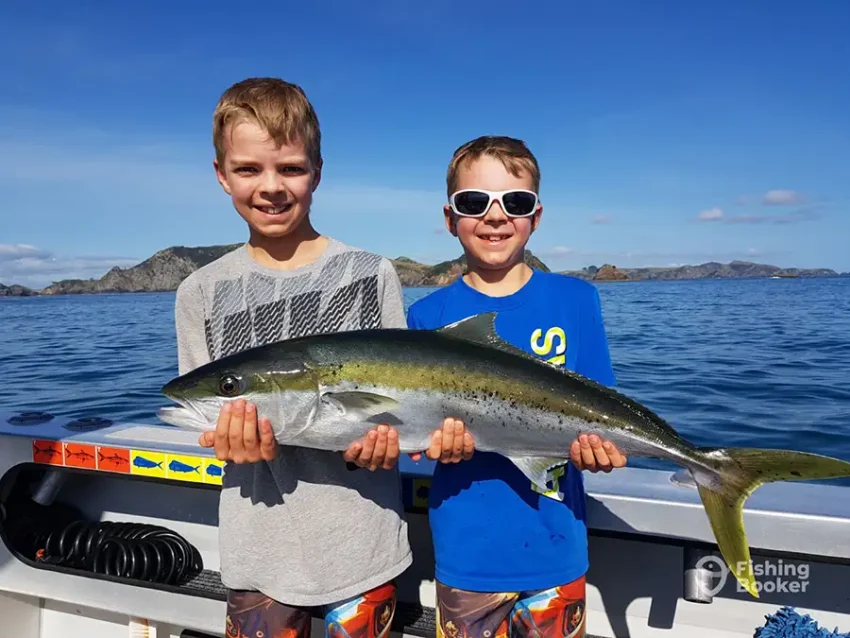
Half-day charters usually work better for young children. Four to five hours is manageable for most kids, while eight to ten hours can be challenging even for patient children. Shortened attention spans and the need for frequent snacks, drinks, and bathroom breaks make half-day trips more practical.
Look for family-friendly operators who specialise in trips with children. These skippers are patient, engaging, and skilled at keeping kids interested during slower periods. They often target species that provide more consistent action, helping maintain enthusiasm even when trophy fish aren’t cooperating.
Bring snacks, drinks, and entertainment for quiet periods. Even exciting activities have downtime, and children need more frequent refuelling than adults. Books, games, or tablets provide backup entertainment when fish aren’t biting.
Set realistic expectations with children before the trip. Fishing requires patience, and success isn’t guaranteed. Frame the day as an adventure rather than focusing solely on catching fish. The boat ride, wildlife sightings, and being on the water are all part of the experience.
Safety considerations are paramount with children. Ensure they have properly fitted life jackets, understand safety rules, and stay in designated safe areas of the boat. Most operators set clear boundaries about where children can move, and enforcing these rules keeps everyone safe.
Many children love the experience even if fishing is slow. The boat ride, spotting dolphins, seeing their parents catch fish, and simply being on the water create lasting memories. Don’t judge the success of a family fishing charter solely on the catch.
First-Time Fishers
Tell your skipper you’re a beginner. They’ll teach you everything you need to know, from holding the rod to fighting a fish. No experience is necessary, and that’s exactly what you’re paying for.
Don’t be embarrassed about asking questions. Good skippers enjoy teaching and appreciate when anglers communicate rather than pretending to understand. If you don’t know what “stray-lining” means or how to tell when a fish is biting, ask. These are skills learned through practice, not knowledge you’re expected to have innately.
Skippers experienced with beginners are patient and thorough. They’ll demonstrate techniques, watch your form, and make corrections gently. They understand that everyone learns at different speeds and that mistakes are part of the learning process.
You might be surprised how natural fishing feels with good instruction. Many first-timers worry they’ll struggle with technique or won’t know what to do when they hook a fish. In reality, with a skilled skipper talking you through each step, most people find it intuitive and manageable.
Focus on enjoying the experience rather than catching the most or biggest fish. Your first fishing charter is about learning, experiencing the Bay, and understanding why people love this activity. Any fish you catch is a bonus. The real value comes from time on the water and the skills you’ll develop.
Accessibility Needs
Some vessels accommodate mobility challenges better than others. If you or someone in your group has accessibility needs, communicate these clearly when booking. Operators can advise whether their vessel suits your requirements and what accommodations they can make.
Boarding most boats requires stepping down from a wharf, which may be challenging for those with mobility issues. The amount of movement around the boat during fishing also varies by vessel size and layout. Larger boats typically provide more space and stability, making movement easier.
Wheelchair accessibility is limited on most fishing charters due to the nature of boats, but some operators have experience working with passengers who have various mobility challenges. Be upfront about specific needs so the operator can prepare properly and ensure everyone’s safety.
Operators experienced with accessibility issues can often suggest modifications to make the experience work. This might include specific seating arrangements, assistance from crew members, or adjustments to fishing techniques that accommodate physical limitations.
Physical Fitness
General recreational fishing charters don’t require high fitness levels. Most people of average fitness can participate comfortably. However, some physical capabilities help ensure a safe and enjoyable experience.
Ability to safely move around a boat in motion is important. Boats rock with waves and wake from other vessels, requiring reasonable balance and the ability to catch yourself if the boat moves unexpectedly. If balance is a concern, discuss this with your operator.
Standing for extended periods is common while fishing, though seating is available when you need breaks. Being able to stand for 20-30 minutes at a time makes active fishing more comfortable.
Lifting moderate weights comes into play when fighting larger fish or handling equipment. Most fish caught on recreational charters are manageable, but a solid snapper or small kingfish still requires some strength to bring to the boat.
Discuss any concerns about physical fitness with your operator when booking. They can advise whether their typical fishing style suits your capabilities or if modifications would make the experience more comfortable.
Regulations and Etiquette
Your Charter Operator’s Role
Your charter operator handles all legal compliance related to fishing regulations. They ensure all fishing remains within legal limits, monitor catch for each angler, measure fish for size restrictions, and identify protected species. This is part of the service you’re paying for, allowing you to focus on fishing rather than memorising complex regulations.
Skippers know current bag limits for each species, which can change seasonally or due to management decisions. They track how many fish of each type each angler has caught, ensuring no one exceeds their daily allowance.
Size restrictions require fish to reach minimum lengths before they can be kept. Your skipper measures every fish and releases those below legal size. This ensures fish have opportunities to breed before being harvested, maintaining healthy populations for future years.
Protected species cannot be taken under any circumstances. Your skipper identifies these species and ensures they’re released immediately and safely. Some areas have specific protections or seasonal closures that your skipper navigates on your behalf.
Your Responsibilities as an Angler
Follow your skipper’s instructions regarding safety and fishing technique. Skippers issue instructions for good reasons, whether related to safety, fishing effectiveness, or legal compliance. Listening and following direction makes everyone’s day better and safer.
Respect bag limits even if you want to keep more fish. Regulations exist to maintain sustainable fisheries, and exceeding limits harms the resource everyone shares. Your skipper won’t allow violations, but your cooperation makes their job easier.
Handle fish properly for catch and release. Your skipper will demonstrate correct technique, including keeping fish in water as much as possible, removing hooks gently, and supporting fish properly. Poor handling reduces survival rates for released fish, undermining conservation efforts.
Be courteous to other anglers on shared charters. Share space fairly, don’t crowd other people’s fishing spots, and celebrate others’ catches as enthusiastically as your own. Shared charters work best when everyone respects each other’s space and experience.
Clean up after yourself. Dispose of rubbish properly, keep your area tidy, and leave the boat as you found it. Charter operators work hard to maintain clean vessels, and your cooperation keeps them that way.
Respect the marine environment. Don’t throw anything overboard except approved berley and bait. Even biodegradable items like apple cores or banana peels shouldn’t go into the ocean from boats. Everything should go in designated rubbish bins.
Catch and Release Best Practices
Why catch and release matters extends beyond legal requirements. Large breeding fish produce exponentially more eggs than younger, smaller fish. Releasing big specimens during spawning season ensures the strongest genetics continue in the population and that fish can reproduce multiple times rather than just once before being caught.
How to properly handle fish for release involves several key practices. Wet your hands before touching fish to protect their slime coating, which defends against infection and disease. Remove hooks quickly and gently, using pliers if necessary. Keep fish in the water as much as possible, supporting their weight and allowing water to flow through their gills. If photos are desired, take them quickly with the fish partially in the water.
When skippers encourage releasing certain fish, there’s good reason. Spawning season releases, particularly of large specimens, benefit the entire fishery. Trophy fish that have lived many years and grown large represent strong genetics worth protecting. In some cases, the skipper might encourage release simply because you already have plenty of fish to take home and additional fish would go to waste.
Quick photos and back in the water is the goal for released fish. Hold them firmly but gently, get your photo in 10-15 seconds, and return them immediately. Prolonged handling stresses fish and reduces their survival chances after release.
Some charters focus heavily on catch and release as a conservation philosophy. These operators emphasise the sport of fishing and the experience over taking fish home. This approach appeals to anglers who value conservation and enjoy repeatedly catching fish rather than filling freezers.
For detailed information about bag limits, size restrictions, marine reserves, and specific regulations, see our comprehensive fishing guide.
What to Do With Your Catch
Taking Fish Home
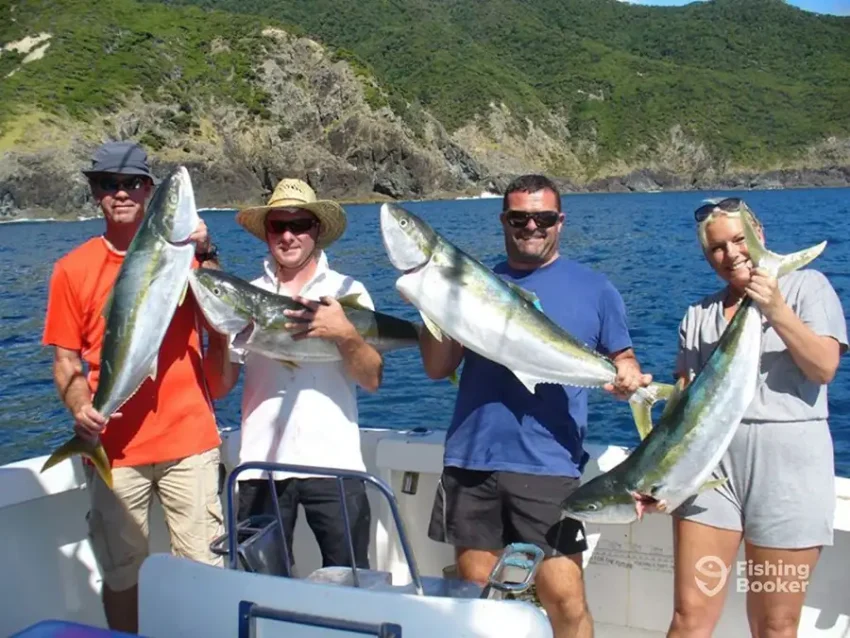
How much fish can you realistically use? This question deserves honest consideration before you fill your bag limit. Fresh fish is delicious, but eating 10 snapper fillets before they spoil requires dedication. Take only what you’ll actually consume within a few days or what you can properly freeze for later use.
Storage requirements for fresh fish include plenty of ice. Fish should be cleaned, filleted, and iced as soon as possible after catching. Keep them cold throughout transport and until you’re ready to cook or freeze them. Properly handled and stored, fresh fish remains in excellent condition for several days.
Transport considerations matter especially for visitors. If you’re flying home, confirm your airline’s policies about transporting fish in checked baggage. Most allow it with proper packaging, but specific rules vary. If you’re driving, a quality cooler with plenty of ice keeps fish fresh for the journey.
Some accommodation options include freezer space where you can store fish during your stay. Ask your hosts before assuming freezer space is available. Turning up with 10kg of fish fillets and expecting to fill their freezer isn’t considerate without prior arrangement.
Having Your Catch Cooked
Some restaurants will cook your catch, providing a restaurant experience with fish you caught yourself. This option appeals to visitors without cooking facilities or those who want the experience of eating their fish without the work of preparation.
Call ahead to confirm restaurants offer this service, as not all do. Those that do typically charge a cooking fee per kilogramme or per person. The restaurant provides sides, sauces, and drinks, using your fish as the protein.
Charter operators often recommend specific restaurants that work with visiting anglers. These establishments understand what anglers want and typically do an excellent job preparing fish.
Having your catch cooked professionally is a great way to enjoy fresh fish if you’re staying in accommodation without full cooking facilities or if you simply don’t want to clean up fish-cooking mess in your accommodation.
Sharing Your Catch
Consider sharing fish with your accommodation hosts if appropriate. Many hosts appreciate fresh fish, and offering to share your catch is a nice gesture. However, ask first rather than assuming they want fish. Not everyone eats seafood, and hosts might already have more fish than they can use.
Local appreciation for fresh fish is genuine in coastal communities. Sharing with people who helped make your trip special or simply spreading the abundance is part of New Zealand fishing culture.
Don’t take more fish than you can use or share. There’s no virtue in filling your limit if the fish will go to waste. Wasted fish is a tragedy for both the resource and for the angler. Taking only what you need ensures fish remain available for future anglers while respecting the resource.
Related Information
For More Fishing Information
For detailed species information, best fishing spots, and seasonal patterns, see our Bay of Islands Fishing guide. That comprehensive guide covers everything about what to catch, where to fish, and when different species are most abundant.
For game fishing targeting marlin, tuna, swordfish, and sharks, see our Game Fishing page. Game fishing charters differ significantly from recreational fishing charters in cost, duration, techniques, and target species.
Planning Your Visit
For detailed advice on how long to stay and what else to see and do in the Bay of Islands, check out our comprehensive planning your visit guide.
For accommodation information, including recommendations for different budgets and locations near fishing charter departure points, visit our accommodation page.
For directions to the Bay of Islands from major centres and information about getting around once you arrive, see our directions page.
Ready to Book Your Charter?
The Bay of Islands offers world-class fishing charters for every experience level and interest. Whether you’re a complete beginner hoping to catch your first fish or an experienced angler targeting trophy specimens, there’s a charter operator who specialises in exactly what you’re looking for.
Professional skippers, quality vessels, and some of New Zealand’s most productive fishing grounds combine to create experiences that stay with you long after you return home. From the moment you step aboard until you return with your catch cleaned and packed, expert operators ensure everything runs smoothly.
The combination of excellent fishing, spectacular scenery, and abundant wildlife makes a Bay of Islands fishing charter more than just a fishing trip. It’s a complete experience that showcases why this region has earned its reputation as one of New Zealand’s premier fishing destinations.
Start planning your Bay of Islands fishing charter today. The fish are biting, the islands are waiting, and experienced skippers are ready to help you create memories that last a lifetime.

Leave a Reply
You must be logged in to post a comment.