Wildlife Watching in the Bay of Islands
The Island & Wildlife Day Cruise from Carino Wildlife Cruises takes a different approach to exploring the Bay of Islands. Rather than racing to the Hole in the Rock, this six-hour sailing trip focuses on what lives in and around the bay: dolphins, penguins, seabirds, and the island sanctuaries where native species are thriving again. If you’re more interested in wildlife than landmarks, and you want your tourism dollars supporting genuine conservation work, this cruise delivers.
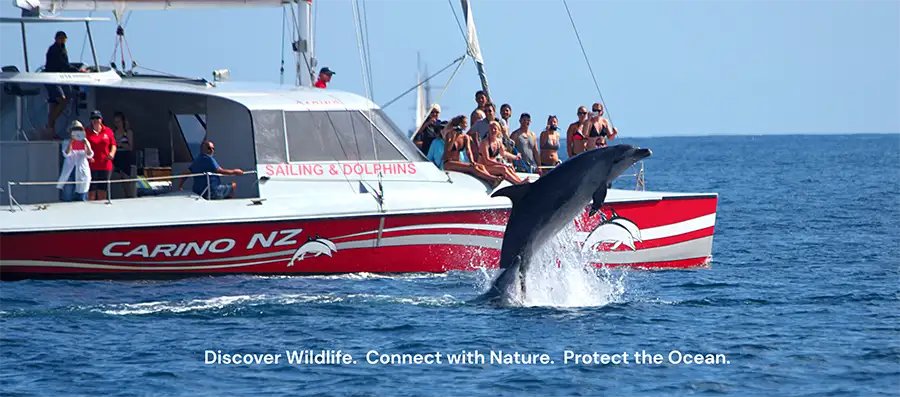
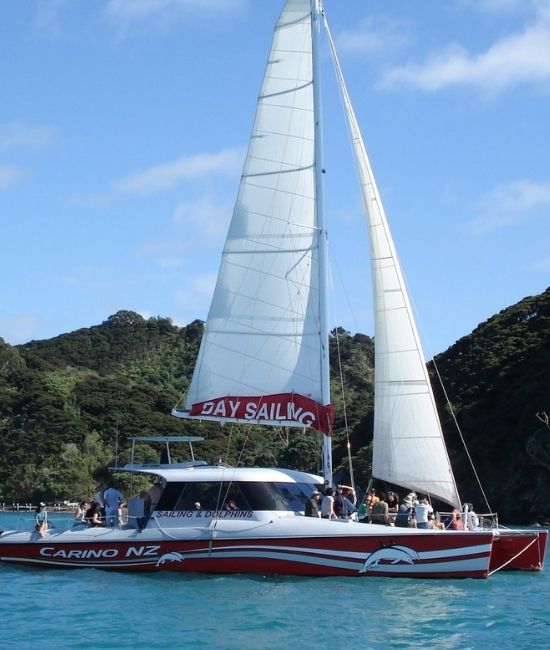
Captain Vanessa McKay runs this family operation on a 50ft catamaran called Carino NZ. Here’s what sets it apart: they’re the only yacht in the Bay of Islands with a Department of Conservation permit to view marine mammals. That permit isn’t easy to get or keep. It requires demonstrating responsible practices and real expertise. Every cruise collects wildlife data for marine research, and a portion of your ticket supports marine education programs for local children through their charitable trust.
The Six-Hour Experience
Departing Paihia Wharf at 9am, the day starts with a proper wildlife briefing. Not just safety talk but education about what you might see, how to observe responsibly, and what conservation efforts are active in the bay. Then you sail out into the islands under wind power when conditions allow. This is genuine sailing, not just token sails while a motor does the work.
Dolphin and Seabird Watching
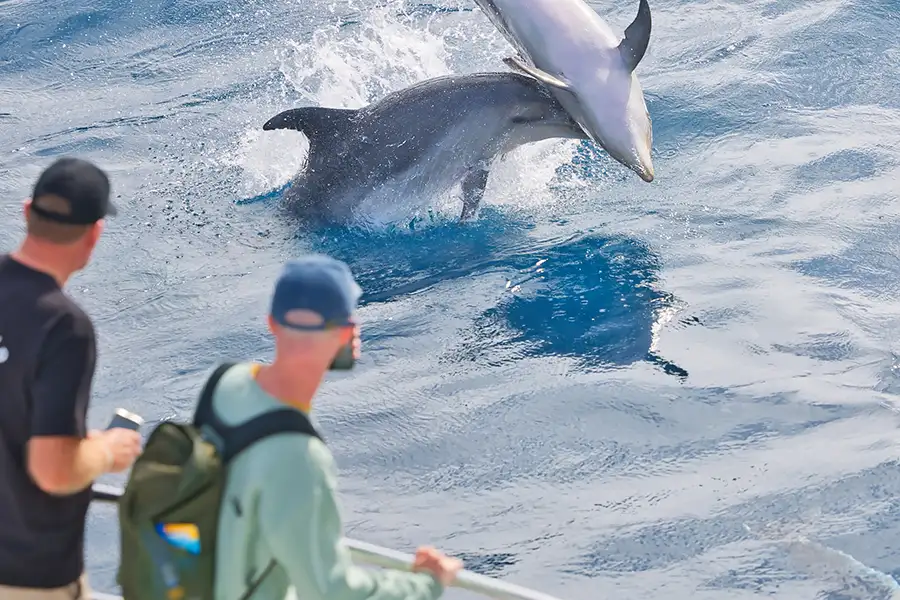
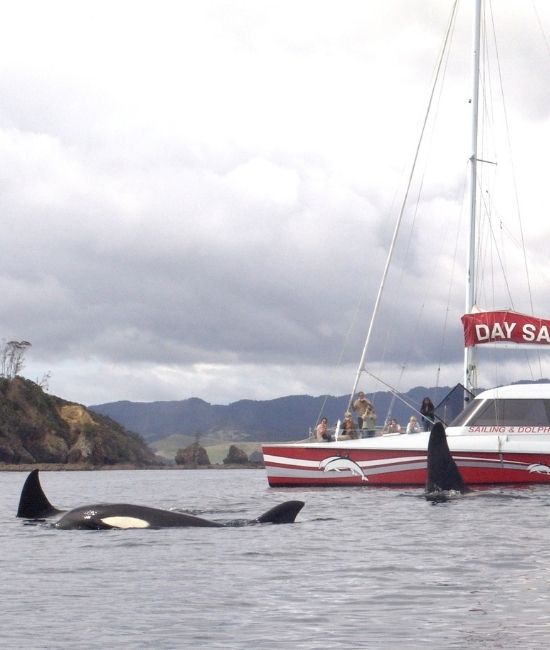
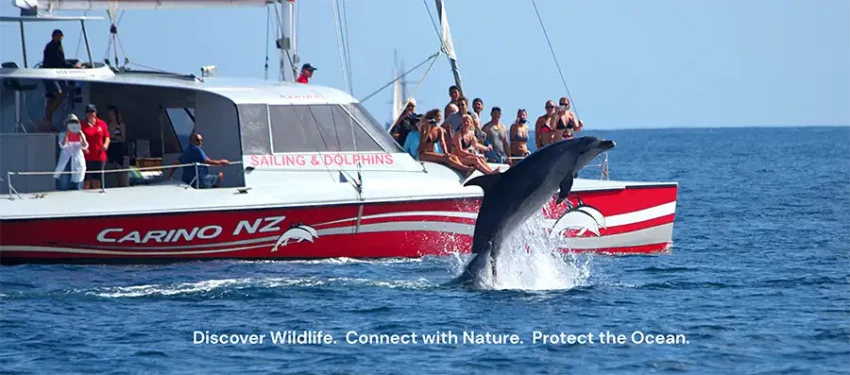
The Bay of Islands hosts endangered bottlenose dolphins that use the area for feeding, resting, and breeding. Carino’s crew knows individual dolphins by name and can tell you about their families and behaviour patterns. During birthing season (late spring through summer), you might see baby dolphin calves learning to swim. All interactions follow Marine Mammal Protection Act regulations, with crew trained to recognise when dolphins want space. If the animals aren’t interested in the encounter, the boat backs off.
Keep watch for little blue penguins (world’s smallest penguin species), gannets dive-bombing for fish, and various other seabirds including shearwaters and petrels. The crew knows what to look for and explains why certain birds are where they are and what they’re doing.
Island Sanctuary Stop
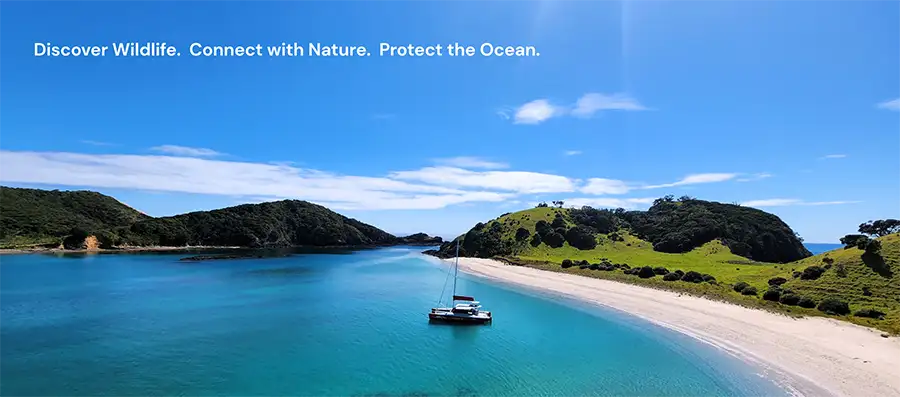
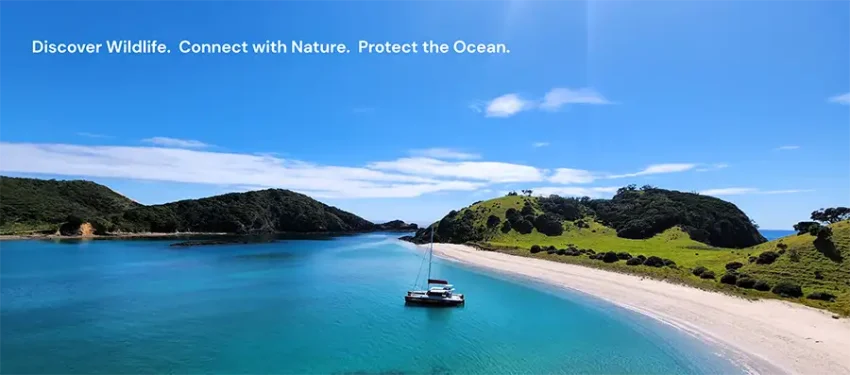
About an hour at one of the wildlife sanctuary islands, chosen based on wind and sea conditions. All the options are Department of Conservation-managed, pest-free islands where native birds and plants are being restored.
Short hiking tracks lead through regenerating bush where you’ll hear native bird song. You might spot New Zealand saddlebacks (tīeke), robins (toutouwai), or parakeets (kākāriki), all reintroduced species thriving in these pest-free sanctuaries. The tracks aren’t challenging, just maintained paths through conservation areas.
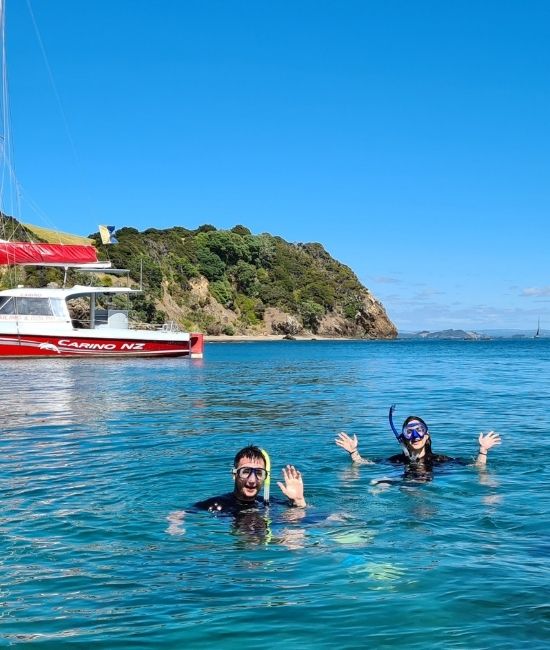
The beaches are good for swimming and snorkeling. All gear is provided, and you’re snorkeling in shallow coastal areas among rocks where you might see snapper, banded wrasse, parore, or stingrays. Easy snorkeling, suitable for beginners.
This hour gives you proper time to explore, swim, snorkel, or just sit on a beach in a wildlife sanctuary.
Sailing and Commentary
Throughout the day, the crew provides commentary about the Bay’s history, conservation projects, and wildlife. You’ll learn about Project Island Song and how pest eradication has allowed native birds to return to these islands. Guests can help set the sails if interested, though it’s entirely optional.
An optional BBQ lunch is available for purchase onboard, with a cash bar for drinks. You’re back at Paihia Wharf around 3pm.
Who This Works For
This cruise suits people who prioritise wildlife and conservation over landmark tourism. If the Hole in the Rock is essential to your Bay of Islands experience, the bigger operators cover that. This trip focuses on animals, islands, and the conservation work protecting them.
Families with children interested in wildlife and nature benefit from the educational focus. The crew engages kids seriously, answering questions and encouraging curiosity. Children who like animals and outdoor exploration generally have a great time. Very young children might struggle with six hours on a boat.
People who care about where their tourism dollars go will appreciate that this operation genuinely supports conservation. The DOC permit, data collection, and charitable trust aren’t marketing spin. The conservation work is real and verifiable.
If you’re interested in sailing itself, the catamaran offers genuine wind-powered sailing when conditions allow, moving quietly through the water rather than relying on motors.
What to Expect
The operation is smaller and less polished than Fullers or Explore Group. You won’t get the same level of modern facilities or slick presentation. The boat is comfortable and well-maintained but isn’t brand new with fancy fittings. What you get instead is crew who genuinely know the local marine environment, authentic conservation contribution, and a more intimate group size.
Weather and sea conditions affect which island you visit and how much sailing versus motoring happens. Flexibility is required. The crew makes good decisions about what works on the day, prioritising responsible wildlife viewing over passenger convenience when necessary.
The conservation angle is genuine. Every cruise collects wildlife data for marine research. The Carino Marine Explorers Trust receives a portion of every ticket and runs marine education programs for Northland children. Carino partners with the World Cetacean Alliance and supports the Bay of Islands Marine Mammal Sanctuary. This is verified, documentable conservation work.
About this Activity
- Free cancellation – Check booking conditions for cancellation terms.
- Reserve now & pay later – Keep your travel plans flexible.
- Duration – 6 hours (9am to 3pm).
- Departure – Daily from Paihia Wharf at 9:00am.
- Suitable for – All ages and fitness levels. Family-friendly with educational focus.
What’s Included
- 6-hour sailing cruise on 50ft catamaran Carino NZ
- Wildlife briefing at start of cruise
- Sailing under wind power when conditions allow
- DOC-licensed marine mammal viewing (only yacht with this permit)
- Dolphin watching with responsible practices
- Seabird and penguin spotting (little blue penguins, gannets, shearwaters, petrels)
- Island sanctuary stop (approximately 1 hour)
- Access to hiking tracks on pest-free island with native bird song
- Swimming and snorkeling at island beach
- All snorkeling equipment provided
- Crew commentary about wildlife, conservation, and history
- Contribution to marine conservation through daily data collection
- Portion of ticket supports Carino Marine Explorers Trust (registered charity)
- Optional BBQ lunch available for purchase onboard
- Cash bar for drinks
Practical Information
Season: Check website for current operating schedule and seasonal variations.
Getting there: Departures from Paihia Wharf at 9:00am. Arrive early for the wildlife briefing. Paihia Wharf is central and easy to reach on foot from most Paihia accommodation.
What to bring: Sunscreen, hat, sunglasses, swimwear, towel, camera, warm layer or light jacket (wind on the water), flat-soled shoes suitable for boat deck, cash for optional BBQ lunch and drinks from cash bar.
Snorkeling: Equipment provided. Snorkeling is in shallow coastal areas among rocks, suitable for beginners. Fish commonly seen include snapper, banded wrasse, parore, and rays. Optional activity.
Island choice: The captain selects the island based on wind and sea conditions. All options are DOC-managed pest-free wildlife sanctuaries with hiking tracks and beaches. All are genuinely worth visiting.
Wildlife viewing ethics: Carino follows strict Marine Mammal Protection Act regulations. Crew are trained to recognise dolphin behaviour indicating avoidance or stress. Interactions are based on dolphin willingness, not human desire. No swimming with dolphins is offered.
Dolphin knowledge: The crew knows individual bottlenose dolphins by name and can share information about their families and behaviour. Baby calves are sometimes visible during birthing season (late spring to summer).
Sailing vs. motoring: The catamaran sails when wind conditions allow. If there’s insufficient wind, they use the motor. Sailing under wind is quieter and more atmospheric.
Helping with sails: Guests welcome to help set sails if interested. Entirely optional. Good way to learn basic sailing if curious.
Food and drink: BBQ lunch is optional and available for purchase onboard. Not included in ticket. Cash bar serves drinks. Bring cash or pack your own food and snacks.
Conservation contribution: Every cruise collects wildlife data for marine research. Portion of ticket goes to Carino Marine Explorers Trust, supporting marine education for local children. The trust creates young kaitiaki (guardians) of the Bay of Islands.
Group size: Smaller operation than the big cruise companies. More intimate, family-run feel.
Who runs it: Family-operated by Captain Vanessa McKay with crew including Bruce and Wayne. All genuinely passionate about marine conservation.
DOC permit significance: Carino is the only yacht with a DOC permit to view marine mammals in the Bay of Islands. This demonstrates responsible practices. The permit is difficult to get and maintain.
Comparison with larger operators: Fullers and Explore Group are bigger, more polished, go to the Hole in the Rock, have modern vessels and facilities. Carino is smaller, conservation-focused, doesn’t go to the Hole in the Rock, has a more authentic eco-tourism feel. Choose based on what matters more: landmark tourism or wildlife conservation.
Nearby: Paihia has cafés, shops, and accommodation within walking distance of the wharf. Waitangi Treaty Grounds is a short drive. Russell is a quick ferry ride across the bay.
Map
Sorry, no records were found. Please adjust your search criteria and try again.
Sorry, unable to load the Maps API.