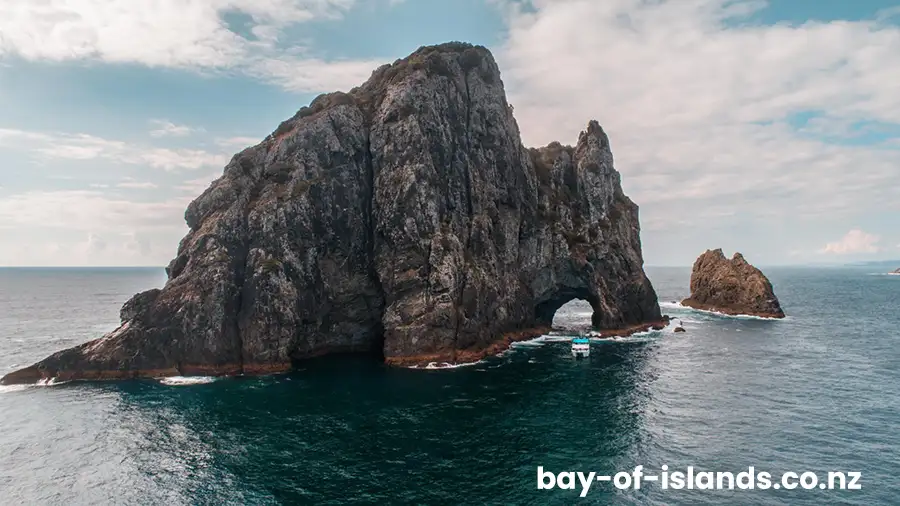

Rising from the Pacific at the northern tip of Cape Brett, The Hole In The Rock is the Bay of Islands’ most iconic natural attraction. This massive archway carved through Piercy Island (Motukōkako in Māori) stands nearly 16 metres high, the result of centuries of wind and wave erosion. When conditions align, experienced skippers navigate boats right through the tunnel. The sheer cliffs tower 148 metres above the sea, and dolphins often play in the surrounding waters.
Cultural & Historical Significance
Māori Heritage
Motukōkako holds profound importance to Ngāpuhi iwi, who have maintained a spiritual connection to this island for centuries. The island is Māori freehold land, administered by the Motu Kōkako Ahu Whenua Trust for the benefit of descendants of the traditional owners. According to tradition, Motukōkako was the landing place of the waka Tūnui-a-rangi before it continued to Ngunguru and Whangārei. The island embodies the whakataukī “Te toka tū moana” (the rock standing in the sea), referring to a person who stands strong against all adversity, just as this rock resists the ocean’s power.
Māori warriors once paddled through The Hole In The Rock before heading into battle, believing that if water dripped on them from the cave ceiling, it was a blessing and sign of good fortune. This tradition speaks to the island’s role as a place of spiritual preparation and connection with ancestral forces.
European Discovery
Captain James Cook named the island “Piercy Island” in 1769 in honour of one of the Lords of the Admiralty. The 16-metre hole at sea level captured the imagination of early European explorers, though Māori had known it for generations. The dramatic cliffs and natural archway became a landmark for ships navigating these waters.
Conservation Status
Piercy Island ranks as probably the most important island in the Bay of Islands in conservation terms. The island remains in near-pristine condition with no evidence of introduced animals, making it a sanctuary for native flora and fauna. Its pest-free status allows native species to thrive undisturbed – a rare treasure in New Zealand where introduced predators have devastated so many ecosystems.
The Geological Wonder
The Hole In The Rock formed over thousands of years as wind and waves eroded the softer rock at sea level, eventually carving completely through the island. The archway measures approximately 16 metres high and stretches wide enough for boats to pass through, though just barely. The surrounding cliffs tower up to 148 metres above the Pacific, creating a dramatic setting where erosion’s power becomes visible on a spectacular scale. The process continues today, with each wave and storm slowly reshaping the rock.
How to Experience The Hole In The Rock
Classic Boat Cruises
The most popular way to experience The Hole In The Rock is aboard one of several boat cruises departing daily from Paihia and the historic village of Russell. These scenic cruises typically last 4 to 4.5 hours and include far more than just the famous archway.
Most cruises follow a similar route, departing Paihia and weaving between the 144 islands that give this region its name. The journey out to Cape Brett takes approximately 60-75 minutes, with commentary from knowledgeable local guides sharing stories about the area’s history, ecology, and cultural significance.
When conditions permit, the skipper will navigate right through The Hole In The Rock itself. This moment typically comes with fair warning, giving passengers time to position themselves for photos or join the traditional ritual of holding their breath as the boat squeezes through. The approach requires careful timing as the skipper aligns the boat with the opening, watching the swell to ensure safe passage. Most boats make two passes, giving passengers on both sides excellent views.
Weather conditions determine whether passage is possible. Calm seas and appropriate tides are essential. On rougher days, boats circle the island instead, allowing close viewing of the dramatic cliffs and archway from outside. Even without passing through, seeing the island up close reveals the scale of this natural formation.
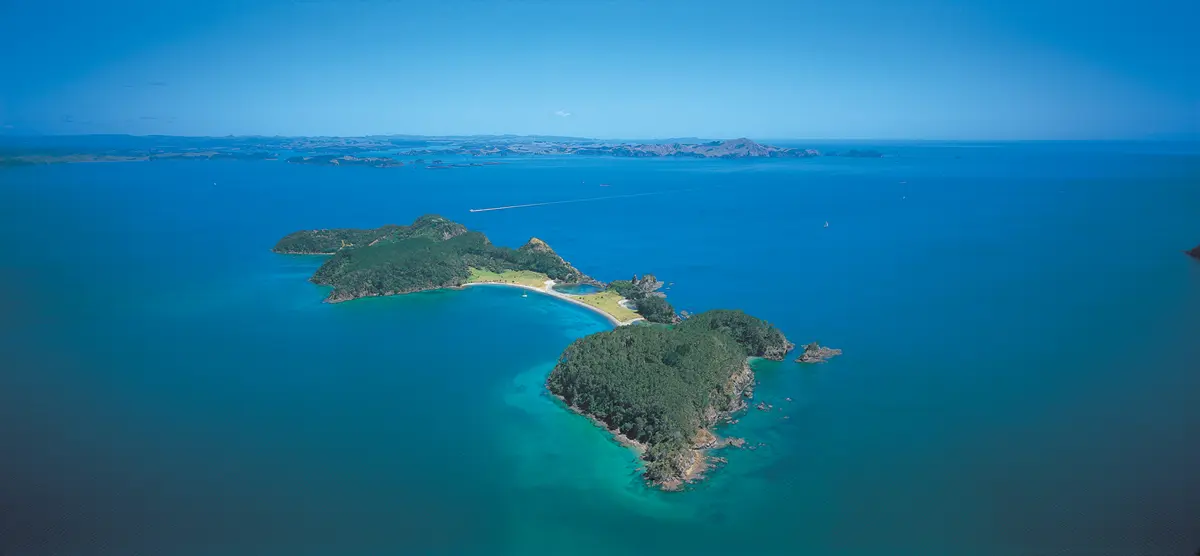
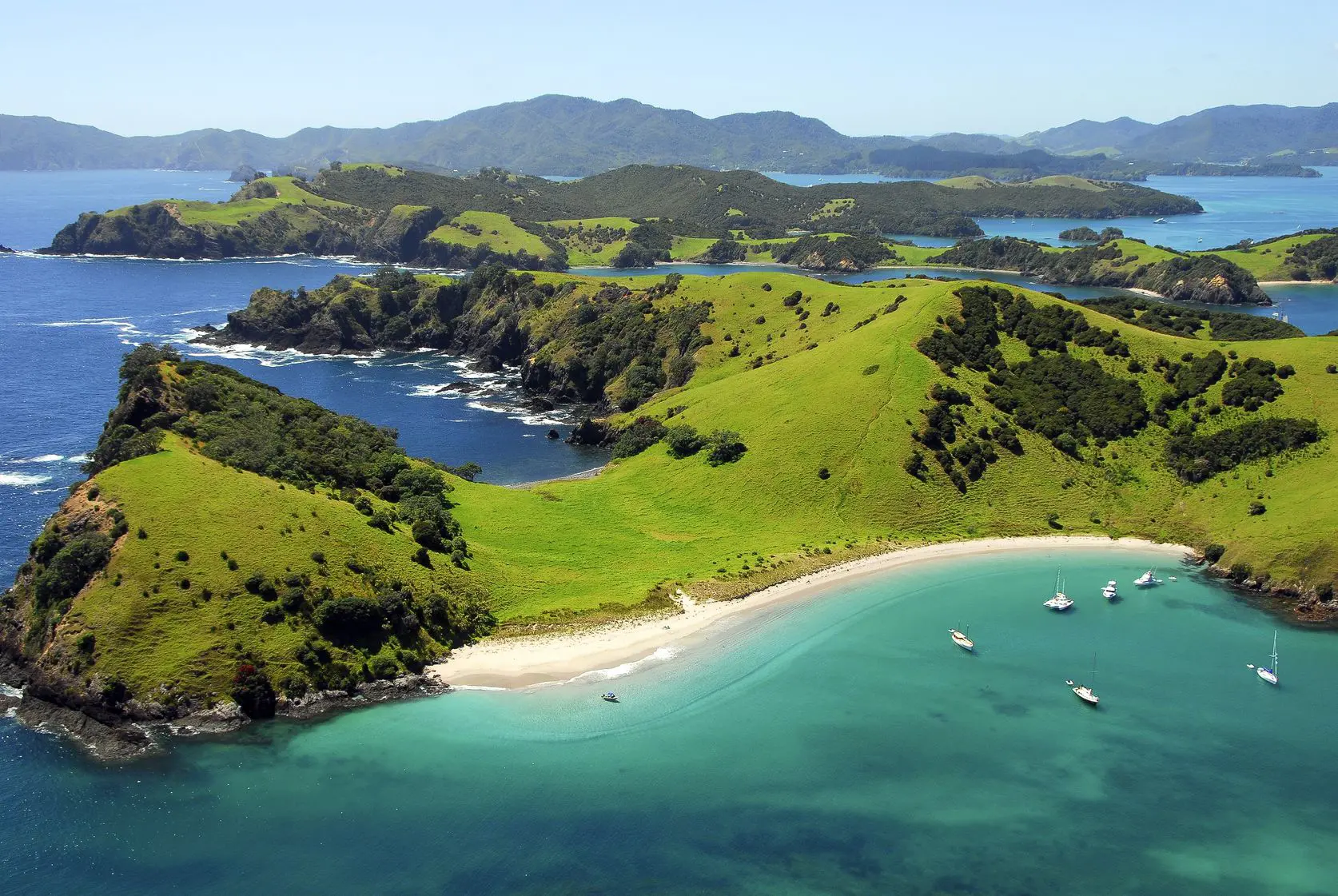
Many cruises include a stop at Otehei Bay on Urupukapuka Island, the Bay’s largest island. Here passengers can enjoy lunch at the café, swim in crystal-clear waters, walk to viewpoints, or relax on golden sand. Some operators offer buffet lunches while others provide vouchers for the island café.
Adventure & Fast Boat Options
For those seeking more adrenaline, several operators run fast boats that make the journey to The Hole In The Rock at high speed, cutting travel time and adding excitement. These smaller vessels offer a more intimate experience and can sometimes navigate rougher conditions. The emphasis shifts from relaxed sightseeing to adventure.
Marine Wildlife Encounters
The journey to The Hole In The Rock offers exceptional opportunities for marine wildlife viewing. The Bay of Islands supports resident populations of bottlenose and common dolphins, and sightings are extremely common. Dolphins frequently swim alongside boats, putting on displays of speed and acrobatics.
Due to conservation measures protecting the Bay’s endangered bottlenose dolphin population, swimming with dolphins is no longer permitted. However, licensed operators follow strict marine mammal protection guidelines that allow viewing at appropriate distances, ensuring dolphins can feed, rest, and care for their young without disturbance. The underwater visibility in these clear waters often allows excellent viewing when dolphins swim near vessels.
Beyond dolphins, watch for New Zealand fur seals basking on rocks around Cape Brett, little blue penguins (the world’s smallest penguin species), various seabirds including gannets and shags diving for fish, and occasionally orca during their migration season (May to September). The abundance of marine life enriches every cruise, turning the journey into a wildlife safari as much as a geological tour.
Alternative Experiences
Helicopter Tours: Helicopter tours fly over The Hole In The Rock and Cape Brett, providing bird’s-eye views of the formation and surrounding coastline. Some tours even land on the island’s summit – a once-in-a-lifetime experience standing atop this iconic landmark.
Sailing Experiences: Traditional sailing vessels and modern yachts offer a quieter, more intimate approach to exploring The Hole In The Rock. The pace slows, the engine noise disappears, and you experience the bay much as early explorers did.
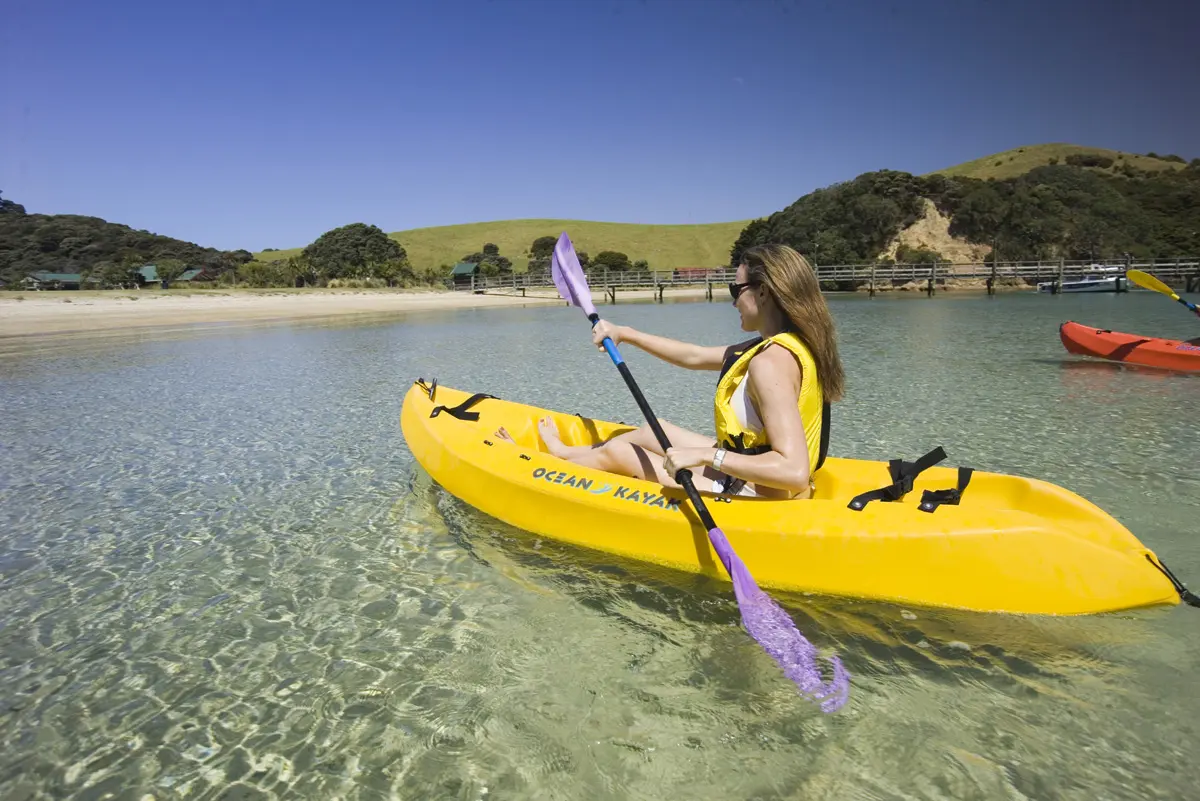
Kayaking Adventures: Guided kayaking tours can take experienced paddlers out to Cape Brett and The Hole In The Rock, though this requires favorable conditions and good fitness. The perspective from a kayak offers unique photo angles and a profound connection to the environment.
Cape Brett Peninsula & Lighthouse
The journey to The Hole In The Rock takes you along the Cape Brett Peninsula, where the historic Cape Brett Lighthouse stands guard over these challenging waters. Built in 1910, this lighthouse guided ships through the bay for 68 years before automation in 1978. The lighthouse and dramatic cliffs of Cape Brett create a stunning backdrop to The Hole In The Rock, and many cruises pause here for passengers to photograph this scenic coastline.
Experienced trampers can reach Cape Brett Lighthouse via the Cape Brett Track, a challenging 16km walk (one way) that takes 6-8 hours. The track departs from Rawhiti and rewards those who complete it with spectacular coastal views and the option to stay overnight in the historic lighthouse keeper’s cottage. This is one of New Zealand’s premier coastal walks.
Planning Your Visit
Timing: Morning departures typically encounter calmer conditions, increasing the likelihood of passing through the hole. If this experience matters to you, choose the earliest departure available.
Sea Conditions: Understand that passing through The Hole In The Rock depends entirely on weather and sea conditions. Even if conditions prevent passage through the archway, the cruise remains spectacular. Operators typically don’t offer refunds for weather-related changes, as you’re still experiencing the full cruise route.
Photography: The best photos often come from the outer decks, but spray can damage equipment. Protect your camera and be prepared to move quickly as dolphins appear. The journey through the hole happens fast, so have your camera ready in advance.
Getting There
The Hole In The Rock cruises depart from Paihia, and from the charming historic village of Russell. Paihia offers the most departure options and is easily accessible by road. Russell requires either a short passenger ferry from Paihia or a longer vehicle ferry from Opua.
Paihia is located 230km north of Auckland (approximately 3 hours’ drive), 60km from Whangārei (1 hour), and 20km from Kerikeri and Bay of Islands Airport (20 minutes).
Combining with Other Attractions
The Hole In The Rock makes an excellent centrepiece for a Bay of Islands visit, easily combined with:
- New Zealand’s birthplace, the Waitangi Treaty Grounds, just 2km from Paihia
- Russell day trip: Explore New Zealand’s first capital via passenger ferry from Paihia
- Urupukapuka Island: Many Hole In The Rock cruises include a stop at this, the Bay’s largest island
- Kerikeri’s historic sites and artisan markets: Just 20 minutes from Paihia
Most visitors spend 2-4 nights in Paihia, the perfect base for Bay of Islands exploration, allowing time for a Hole In The Rock cruise plus other Bay of Islands activities.
Map
Sorry, no records were found. Please adjust your search criteria and try again.
Sorry, unable to load the Maps API.